
Plumbing in Los Angeles: what to know
Los Angeles was incorporated on April 4, 1850, and it now covers about 470 square miles of land. The city runs from the San Fernando Valley, north of the Santa Monica Mountains, through Hollywood, Downtown and the neighborhoods along the Los Angeles River, west to Westwood and Venice and Westchester beside LAX, and south to the harbor at San Pedro and Wilmington, where the Port of Los Angeles sits. Griffith Park, Dodger Stadium and the Hollywood Hills all lie inside its limits. It wraps completely around San Fernando and most of the way around Beverly Hills and Culver City, and it shares borders with Santa Monica, West Hollywood, Burbank, Glendale and Inglewood.
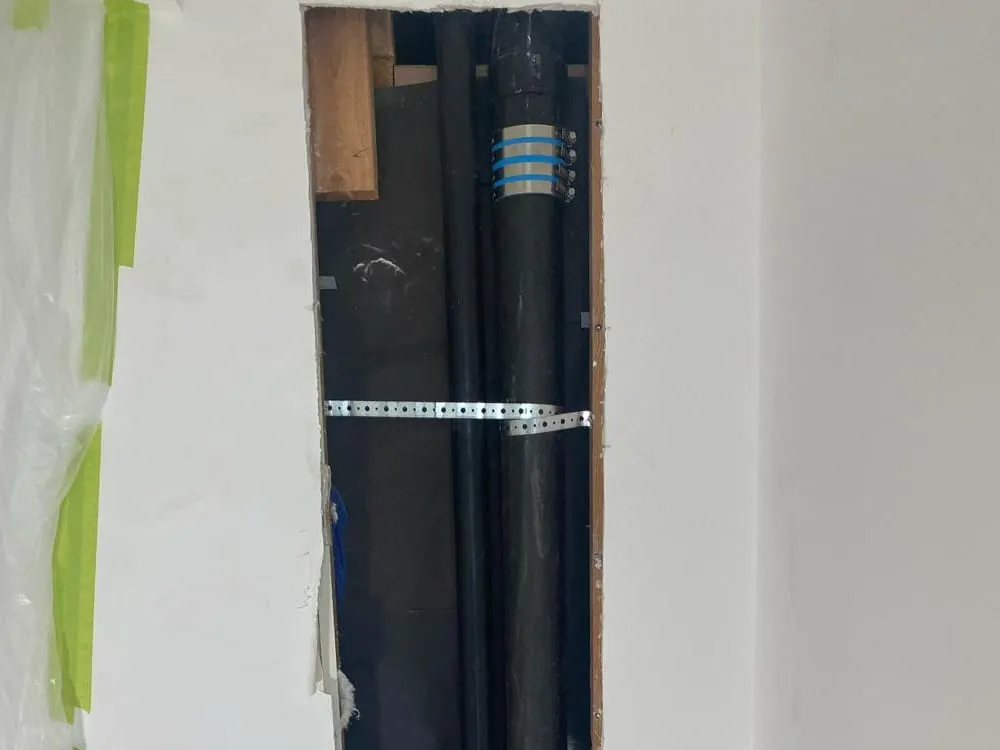
Figures from the US Census (ACS 2024 5-year) show about 1,554,300 housing units in Los Angeles. The median one was built in 1965, 70 percent went up before 1980, and detached single-family houses make up only 36 percent, so most Angelenos live in apartments and condos. That makes the shared drain an everyday problem here. In the older apartment buildings of Koreatown, Hollywood, Mid-City and beyond, several floors empty into one cast iron stack, and a backup that begins on one floor tends to come up on another.
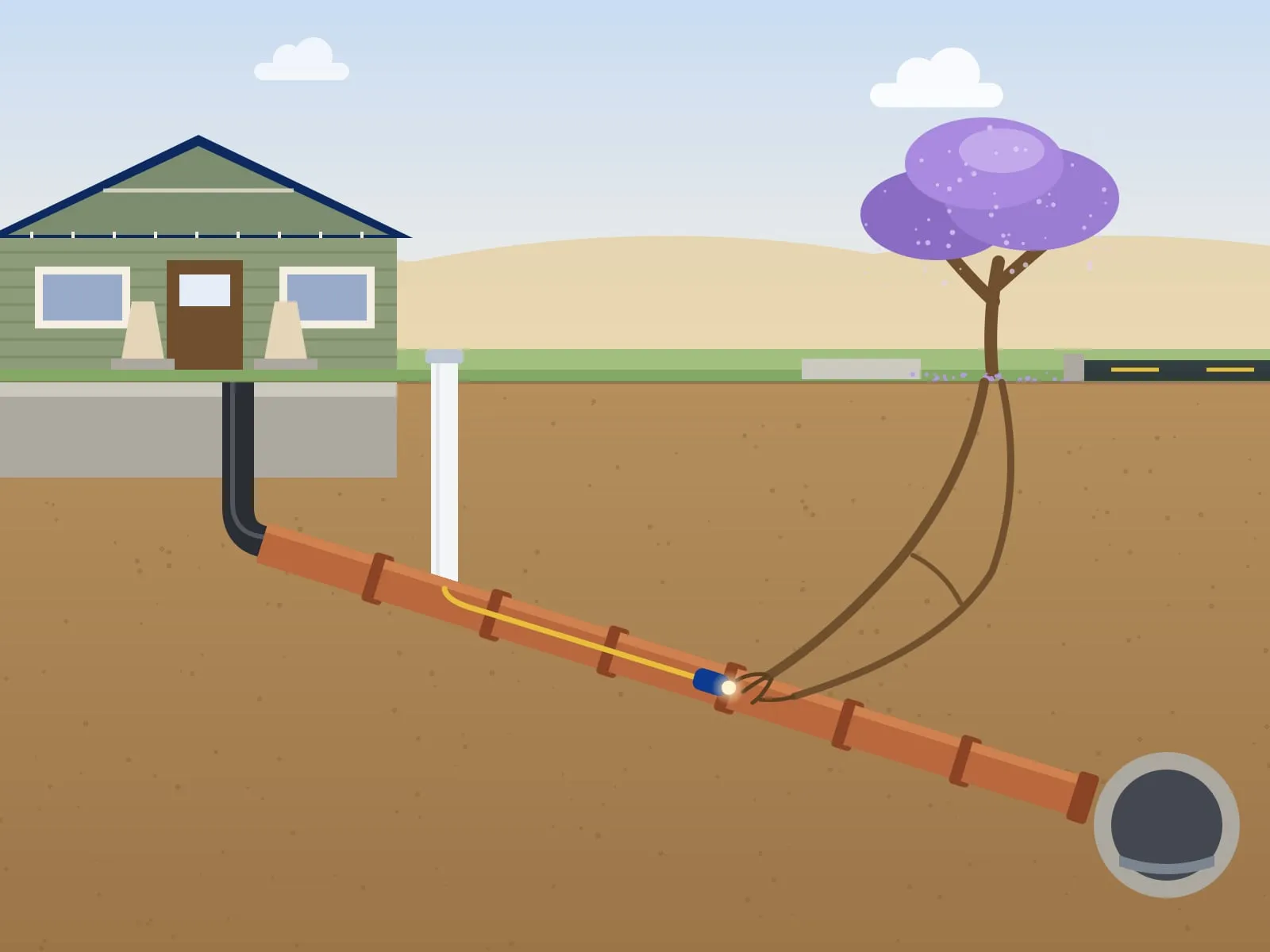
The age of a house here says a lot about where it will leak. Craftsman bungalows and Spanish Revival houses from the 1910s to the 1930s, common in Highland Park, Silver Lake, Mid-City and West Adams, often stand on raised foundations over a crawl space, with galvanized supply lines that rust shut, cast iron drains that crack, and clay sewer laterals that the roots of mature street trees find. Across the San Fernando Valley the postwar ranch houses sit on concrete slabs, and the copper buried in them develops pinholes: the classic slab leak. Up in the Hollywood Hills, Silver Lake and Mount Washington, laterals run long and steep, high street pressure wears out pressure regulators, and a house set below the street may depend on a sewage ejector pump to lift its waste. Hard LADWP water adds scale to water heaters, valves and faucets in every part of the city.
Water and power come from the Los Angeles Department of Water and Power (LADWP), the largest city-owned utility in the country. Its water comes from three places: the Los Angeles Aqueduct from the Eastern Sierra, imported supply bought from the Metropolitan Water District (Colorado River and State Water Project), and local groundwater. LA Sanitation and Environment (LASAN) runs the public sewers; the lateral that joins a house to them is private, and its upkeep falls to the owner. SoCalGas supplies the gas. The Los Angeles Department of Building and Safety (LADBS) issues the plumbing permits, covering water heater swaps, repipes, lateral work and gas piping, and each permit we pull stays open until an LADBS inspector signs off. This is the city we are based in, and every neighborhood in it gets our 24-hour emergency response.
Los Angeles borders Beverly Hills, West Hollywood, Culver City, Santa Monica, Burbank, Glendale, Inglewood and San Fernando. We serve those cities as well, and their calls are handled from our Los Angeles location like every other. A person answers at any hour, the plumber finds where a leak or blockage begins before cutting into a wall or a floor, and work starts only after you sign the written estimate.
Neighborhoods we cover
- Hollywood
- Silver Lake
- Koreatown
- Mid-City
- Westwood
- Venice
- Highland Park
- North Hollywood
- Van Nuys
- San Pedro